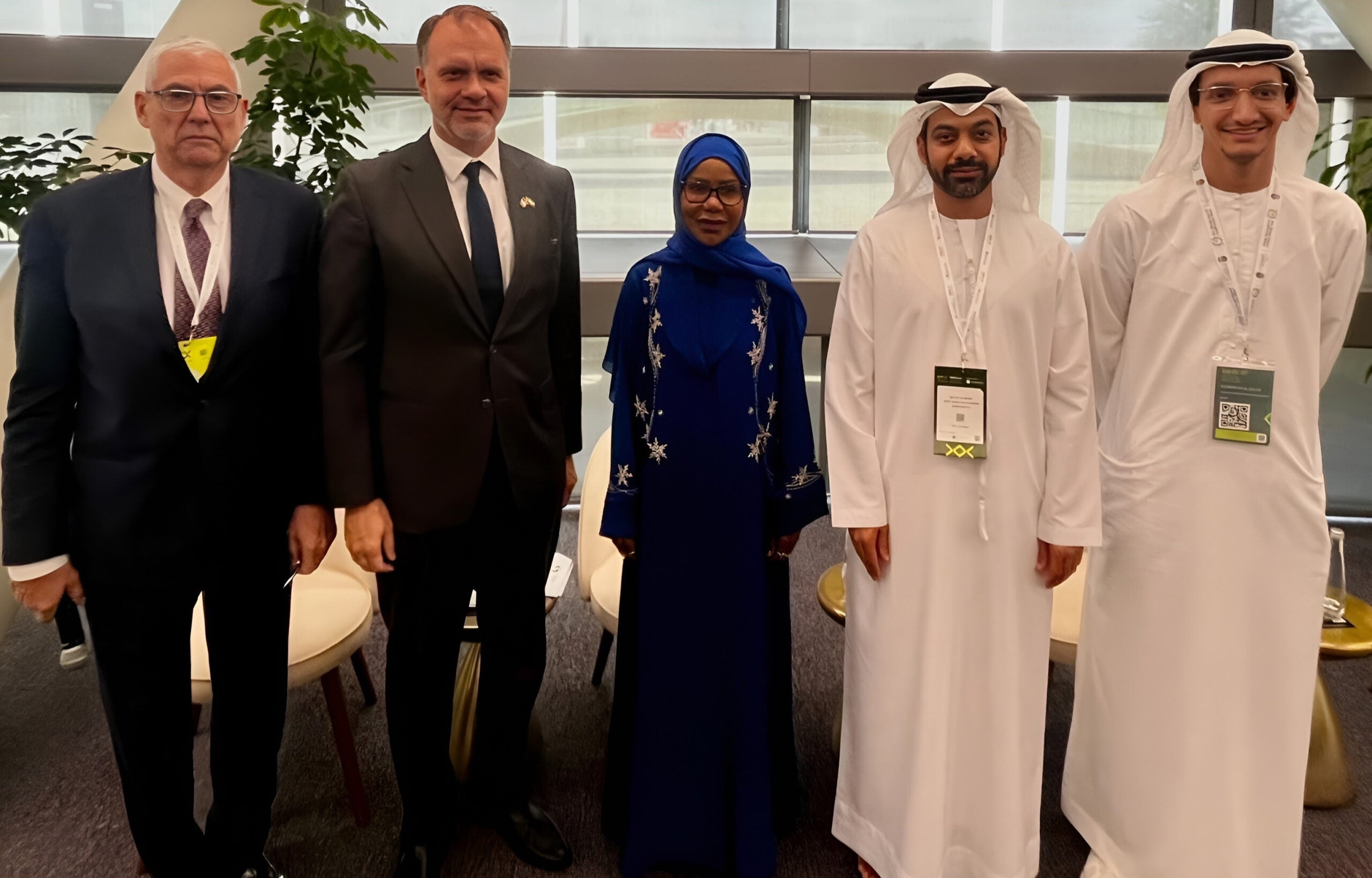
“Healthcare and life sciences are at the crossroads of bioconvergence and AI to accelerate integrated health solutions.” – Dr. Asma Al Mannaei, Executive Director of Health Life Science Sector, Department of Health Abu Dhabi.
Playing to a packed house, the U.S.-U.A.E. Business Council convened two panel discussions on Tuesday, February 10, onsite at World Health Expo (WHX) Dubai, bringing together U.S.-U.A.E. Business Council members, senior U.S. and U.A.E. government officials, and private sector leaders for a substantive conversation on the evolving bilateral healthcare and life sciences landscape.
Why it matters:
AI is transforming healthcare and life sciences by accelerating the shift toward personalized and precision medicine. By leveraging AI-driven diagnostics, genomics, and real-world data, U.S. healthcare and life sciences firms can partner with U.A.E. institutions to improve patient outcomes, reduce system-wide costs, and bring innovative therapies to market more efficiently. Moreover, they can do so in an ecosystem that deploys and advances cutting edge techniques with breakneck speed and efficiency.
Key Takeaway
The panel discussions reinforced the importance of early industry engagement and highlighted areas where U.S. and U.A.E. companies can align more closely with government priorities to support innovation, research and development, and commercial growth.
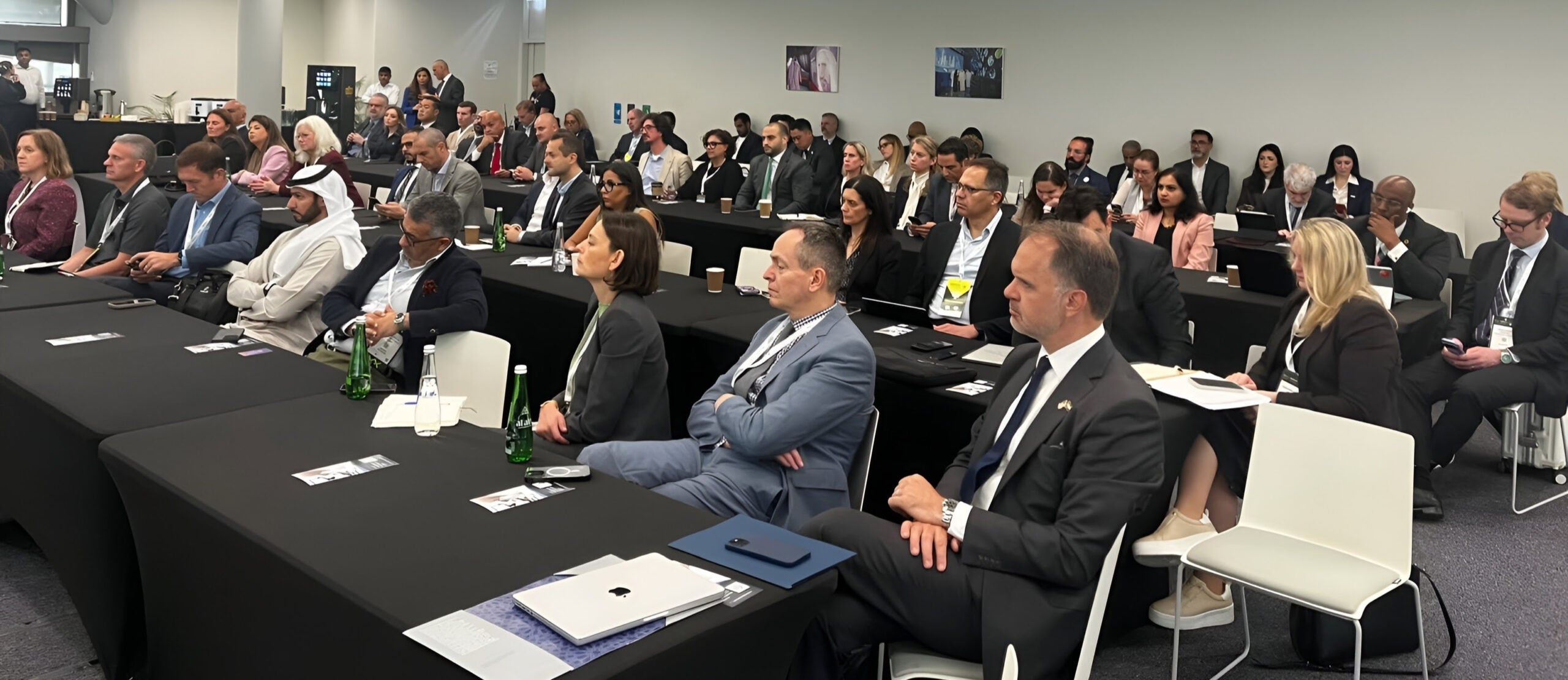
The first workshop titled “Realizing the Promise of AI for Healthcare – A Conversation with Chief AI and Digital Officers” featured panelists who provided insights on AI’s influence on healthcare and life sciences in the U.A.E. and around the world. U.S. Consul General Robert Raines and Dr. Marwan Al Kaabi, CEO of Sheikh Shakhbout Medical City (SSMC) also provided remarks during the panel discussion.
Panelists included:
- H.E. Mubaraka Ibrahim, Chief Information Officer and Chief AI Officer, Emirates Health Services
- H.E. Ibrahim Al Jallaf, Executive Director of Digital Health, Department of Health Abu Dhabi
- Atif Al Braiki, Chief Digital and AI Officer, Dubai Health
What was discussed
The discussion focused on key policy and commercial developments shaping the U.S.–U.A.E. AI and healthcare relationship:
- The U.A.E. has established a coherent, national AI strategy that is accelerating the integration of AI across healthcare and life sciences—aligning federal and emirate-level initiatives to improve outcomes, efficiency, and innovation.
- Effective AI governance is a core pillar of the U.A.E.’s healthcare strategy, recognizing that trusted, ethical, and transparent implementation is essential for adoption at scale and for safeguarding patient privacy.
- Data residency and sovereign data requirements are a critical policy consideration in the U.A.E., particularly for healthcare AI, and require companies to align cloud, data-hosting, and compliance strategies with local regulations.
- At the federal level, Emirates Health Services’ AI governance framework emphasizes data quality, confidentiality, and trusted public-private collaboration to responsibly scale AI across healthcare services.
- The Emirates Genome Project has enabled the mapping of 800,000 Emirati genomes, creating comprehensive genomic datasets and transforming disease prevention, diagnostics, and biomedical research.
- Riayati, the U.A.E.’s unified national health information exchange, serves as the backbone of interoperable healthcare data sharing.
- Dubai’s Salama program leverages digital health and AI to enhance patient access, streamline services, and improve system efficiency.
- Abu Dhabi’s healthcare AI framework is guided by the principle of “Predict, Prevent, and Enact,” using AI tools such as Malaffi-enabled AI solutions to support physicians and anticipate health risks, prevent disease, and deliver timely, targeted interventions.
- To support responsible innovation, Abu Dhabi has established a Trusted Research Environment to enable secure, compliant health data research.
- The U.A.E.’s priority in partnering with U.S. companies is to drive measurable impact—moving beyond pilots to scalable solutions that advance prevention, improve outcomes, and deliver tangible health benefits.
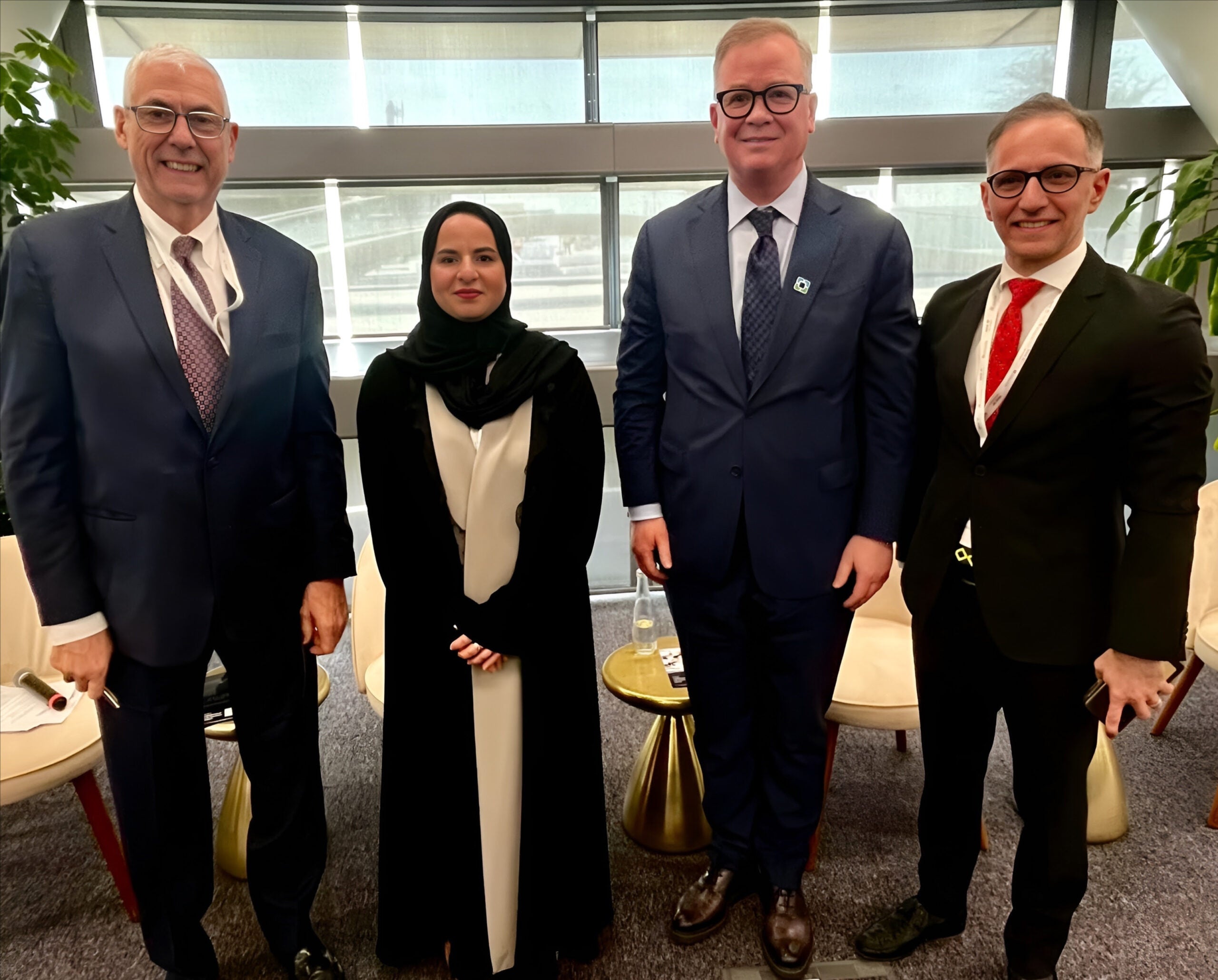
The second workshop titled “The Future of Personalized Medicine” featured remarks from:
- Dr. Asma Al Mannaei, Executive Director of Health Life Science Sector, Department of Health Abu Dhabi (DOH)
- Albarah El Khani, Chief Operating Officer, Integrated Health Solutions, M42
- Dr. Stephen Grobmyer, Institute Chief for the Cancer Institute at Cleveland Clinic Abu Dhabi (CCAD)
What was discussed
The discussion explored the U.A.E.’s strategic shift toward preventive healthcare and patient-centered models of care:
- The U.A.E. has embraced the principle that one size does not fit all in healthcare, prioritizing precision and preventive medicine to deliver more personalized, effective patient outcomes and transforming medical care from episodic treatment to data-driven, outcomes-focused healthcare delivery.
- Genomic insights from the Emirates Genome Program are being applied across the full life sciences value chain, from drug discovery and clinical trials to disease prevention and personalized therapies.
- M42 is integrating complex clinical, genomic, and population-level data from the Emirates Genome Program to accelerate life sciences innovation in preventive and precision medicine.
- Abu Dhabi’s multi-omics research approach—integrating genomics, transcriptomics, proteomics, and metabolomics—provides a more comprehensive understanding of disease and supports advanced diagnostics and targeted treatments.
- A streamlined and innovation-friendly regulatory environment has enabled Abu Dhabi to build an agile life sciences ecosystem, shortening the path from research and clinical trials to implementation.
- Abu Dhabi’s HELM Cluster is a cornerstone of the emirate’s life sciences strategy and is projected to contribute $25.6 billion to GDP and attract $11.5 billion in foreign direct investment by 2045.
- The U.A.E. is actively seeking partnerships to deploy advanced medical technologies, expand clinical research, and advance cell and gene therapies, including bespoke therapeutics enabled by genomic and medical technologies.
For more information about the U.S.-U.A.E. Business Council’s healthcare and life science programming, please contact Mr. Adam Karadsheh at akaradsheh@usuaebusiness.org. Learn more about the U.A.E. healthcare and life sciences sector by reading the recent publication of the U.S.-U.A.E. Business Council’s U.A.E. Healthcare and Life Sciences Sector Report published in January 2026.