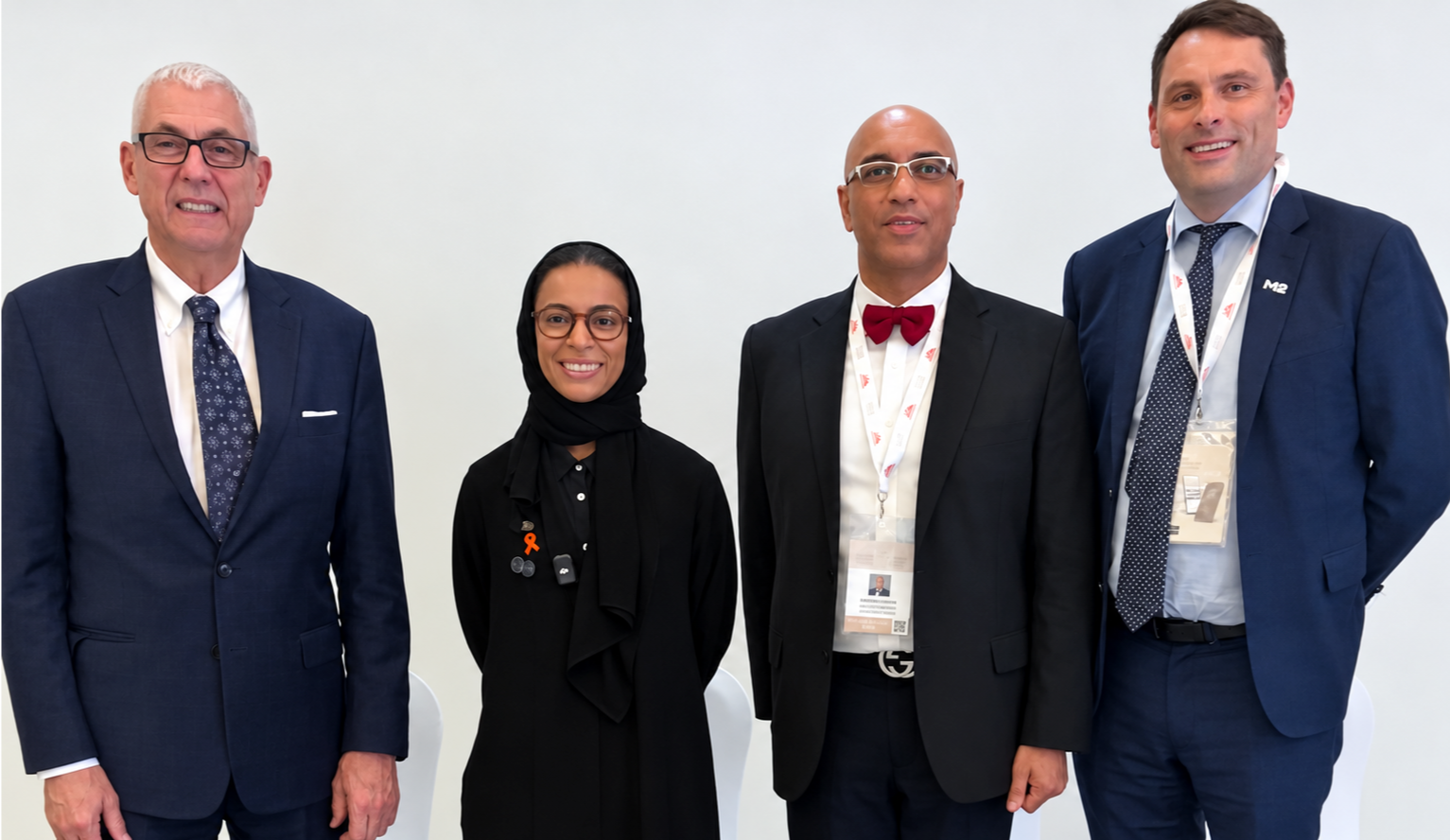
“The U.A.E. is building the foundation of a life science ecosystem to make a sustainable future.” -H.E. Dr. Fatima Al Kaabi, Director General, Emirates Drug Establishment
H.E. Dr. Fatima Al Kaabi’s remark set the stage for the U.S.-U.A.E. Business Council’s two panel discussions on Wednesday, October 21, 2026, onsite during Abu Dhabi Future Health Summit. These sessions brought together government and industry leaders to discuss opportunities for U.S.-U.A.E. collaboration in biomedical research, advanced therapies, pharmaceutical manufacturing, and healthcare preparedness.
Why this matters: The U.A.E.’s investments in research, precision medicine, and pharmaceutical production are expanding opportunities for American companies and institutions to help develop new treatments and strengthen access to essential medicines. Both discussions underscored the importance of partnerships that combine U.S. expertise with the U.A.E.’s clinical infrastructure, investment capacity, and commitment to building local capabilities.
Key Takeaway: The discussions highlighted demand for long-term partnerships that translate research into clinical applications, build local pharmaceutical capabilities, and strengthen healthcare preparedness. Speakers emphasized knowledge transfer, private-sector R&D investment, and early engagement with regulators as important foundations for successful collaboration.
The first workshop, titled “Advancing Precision Medicine and Healthy Longevity,” explored Abu Dhabi’s development as a center for biomedical innovation and opportunities for U.S. companies and research institutions to participate.
Panelists included:
- H.E. Dr. Fatima Al Kaabi, Director General, Emirates Drug Establishment (EDE)
- Dr. Shahrukh Hashmi, Director of Research, Department of Health – Abu Dhabi (DOH)
- Dr. David Kavanagh, General Manager, Omics and IROS – Integrated Health Solutions, M42
What was discussed: The discussion focused on three priorities shaping the next phase of U.S.-U.A.E. life sciences cooperation:
Expanding Research Partnerships and Investment
- Dr. Hashmi highlighted BIO as an important forum for bilateral partnerships and identified clinical trials, research collaboration, and private equity and venture capital investment as priorities for developing Abu Dhabi’s life sciences pipeline.
- H.E. Dr. Al Kaabi emphasized the need to enable greater private investment in R&D and strengthen academic institutions’ contributions to drug discovery. Dr. Kavanagh reinforced the importance of thoughtful, patient partners willing to support discovery research and the development of clinical applications over time.
- These priorities are supported by the U.A.E.’s R&D Tax Incentives Programme, launched in March 2026. Its first phase provides eligible businesses with a non-refundable credit at tiered rates of up to 50 percent on qualifying expenditure of up to AED 5 million, subject to programme requirements.
Translating Genomics into Clinical Care
- Dr. Hashmi discussed DOH’s work on a Trusted Research Environment and multi-omics partnerships to support research using health and biological data. DOH’s Trusted Research Environment policy took effect in September 2025.
- Dr. Kavanagh highlighted M42’s Omics Centre of Excellence and IROS as capabilities supporting genomic analysis, screening, and clinical research. He described opportunities to improve the tools used to interpret genomic information and translate research into precision medicine and healthy longevity applications.
- H.E. Dr. Al Kaabi discussed ambitions to develop local advanced therapy capabilities, including a sustainable gene therapy pipeline. Together, these contributions illustrated the importance of connecting research infrastructure with clinical expertise and regulatory support.
Building Local Capabilities Through Regulation and Knowledge Transfer
- H.E. Dr. Al Kaabi emphasized EDE’s focus on facilitating partnerships, supporting domestic pharmaceutical manufacturing, and aligning regulatory processes with international best practices. She identified knowledge transfer and the sharing of technical expertise as central to the lasting value of international partnerships.
- Dr. Hashmi highlighted DOH’s close coordination with EDE on clinical trials, while Dr. Kavanagh described Abu Dhabi’s regulatory environment and investment in research infrastructure as important enablers of its rapid life sciences development.
- The discussion underscored opportunities for American partners to contribute expertise across clinical research, advanced therapies, and pharmaceutical development while helping build sustainable capabilities in the U.A.E.
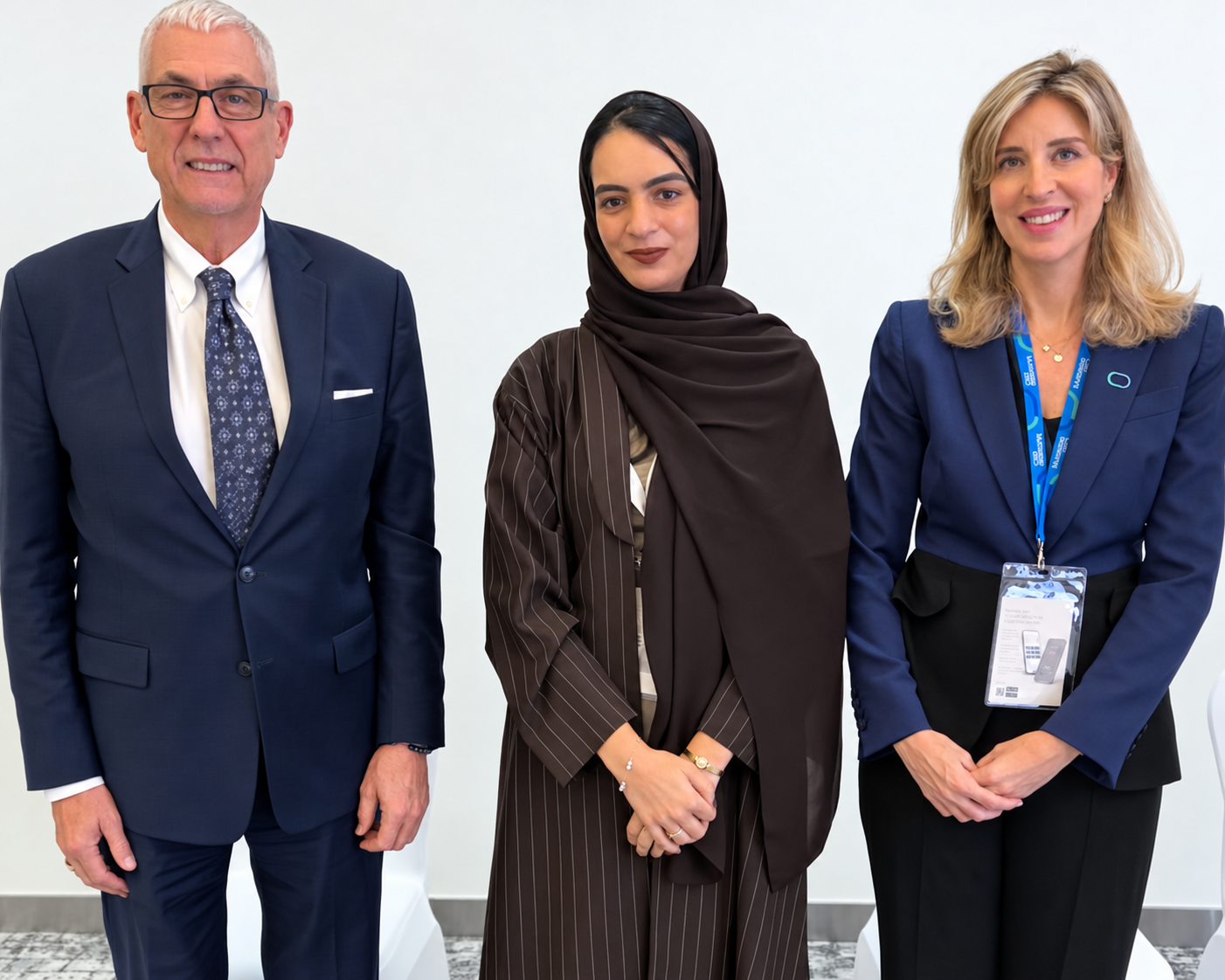
The second workshop, titled “Building Resilient Health Systems,” examined lessons from COVID-19, pharmaceutical supply security, and the role of bilateral partnerships in maintaining access to essential care during disruptions.
Panelists included:
- Maisoon Al Dah, Director of the International Health Relations Office, Ministry of Health and Prevention (MOHAP)
- Emily Hill, Group Strategy Director, Mubadala BIO
What was discussed: The discussion explored three priorities for strengthening healthcare resilience:
Moving from Emergency Response to Proactive Preparedness
- Ms. Al Dah emphasized the importance of U.S. partnerships during COVID-19 and supply-chain disruptions, including the contribution of Cleveland Clinic Abu Dhabi. She highlighted MOHAP’s growing focus on readiness and continued dialogue with U.S. partners on bilateral preparedness.
- Ms. Hill connected these preparedness objectives to the practical challenge of ensuring medicines reach patients when needed. She described Mubadala BIO’s work across manufacturing, storage, and distribution to reduce vulnerabilities throughout the pharmaceutical value chain.
- Their remarks highlighted the importance of combining government planning and international cooperation with reliable production and logistics capabilities to maintain continuity of care.
Strengthening Medicine Security and Domestic Capabilities
- Ms. Hill outlined Mubadala BIO’s focus on drug security, commercialization, and expanding local pharmaceutical capabilities. Launched in 2025, the company’s early progress included local manufacturing of eight essential medicines during that year.
- Ms. Al Dah emphasized federal support for healthcare-sector development and identified research capacity, public health, and prevention as priorities. Ms. Hill highlighted supportive regulatory engagement and investment conditions as important factors in building a sustainable domestic pharmaceutical sector.
- The discussion connected dependable access to medicines with broader investments in research and prevention, underscoring the need to strengthen both immediate supply security and long-term health system capacity.
Turning Partnerships into Commercial and Research Outcomes
- Ms. Al Dah emphasized that U.S.-U.A.E. partnerships can expand opportunities and capabilities for both countries. Ms. Hill highlighted Mubadala BIO’s collaboration with Eli Lilly and Company as a practical example of this cooperation.
- Announced on October 20, the Lilly agreement focuses on localizing packaging and logistics for GLP-1 medicines, supported by a 125,000-square-meter site in KEZAD, Abu Dhabi. Ms. Hill indicated a target of commercial operations by 2028; the public announcement specifies that activities will be introduced in phases, subject to technical, quality, and regulatory requirements.
- Complementing MOHAP’s emphasis on research capacity, Ms. Hill discussed collaboration with Khalifa University to connect research with commercial applications and develop local life sciences expertise. These partnerships offer avenues for U.S. companies and academic institutions to contribute technical knowledge, strengthen pharmaceutical capabilities, and support workforce development.
For more information about the U.S.-U.A.E. Business Council’s healthcare and life science programming, please contact Mr. Adam Karadsheh at akaradsheh@usuaebusiness.